![Char Dham Yatra: How Many Days Do You Actually Need? [2026 Complete Guide]](https://travelsyatra.com/blogs/wp-content/uploads/2026/04/ChatGPT-Image-Apr-24-2026-06_57_18-PM.png)
Table of Contents
The short answer: You need a minimum of 10 days for Char Dham Yatra by road and 5 days by helicopter. But the real answer depends on where you start, your age, your pace, and the mode of travel you choose. This guide breaks down every possible duration — from a fast 8-day route to a relaxed 14-day pilgrimage for senior citizens — so you can plan the yatra that fits your life.
Jump to your scenario:
Quick Answer: Char Dham Yatra Duration at a Glance
| Travel Scenario | Minimum Days Required |
|---|---|
| By road from Haridwar (standard) | 10–11 days |
| By road from Delhi | 12 days |
| By road from Rishikesh | 10 days |
| By helicopter from Dehradun | 5 days |
| Fast-track / minimal stops | 8 days |
| Senior-citizen / comfortable pace | 12–14 days |
| Do Dham only (Kedarnath + Badrinath) | 5–6 days |
| Gangotri + Yamunotri only | 4–5 days |
Char Dham Yatra 2026 Opening Dates:
| Dham | Opening Date 2026 | Closing Date 2026 |
|---|---|---|
| Yamunotri | Akshaya Tritiya (approx. May 1) | Diwali (approx. Oct 20) |
| Gangotri | Akshaya Tritiya (approx. May 1) | Diwali (approx. Oct 20) |
| Kedarnath | Shivaratri-decided (approx. May 2–3) | Mid-November |
| Badrinath | Announced separately (approx. May 4–5) | Mid-November |
Note: Exact 2026 dates will be officially announced on Maha Shivaratri 2026. Always verify on the official Devasthanam portal before booking.
Travelers starting from Delhi usually choose a Char Dham Yatra package from delhi
that includes transport, hotels, and sightseeing.
What Is Char Dham Yatra? (And Which One Are We Talking About?)
Before planning your days, it is important to understand that there are two Char Dhams in India, and they are very different journeys.
The Big Char Dham refers to four sites spread across all four corners of India: Badrinath in Uttarakhand (North), Dwarka in Gujarat (West), Rameshwaram in Tamil Nadu (South), and Puri’s Jagannath Temple in Odisha (East). Completing this circuit takes weeks and requires travel across the entire country.
The Chota Char Dham — also simply called Char Dham Yatra — refers to four sacred shrines tucked within the Garhwal Himalayas of Uttarakhand: Yamunotri, Gangotri, Kedarnath, and Badrinath. This is the pilgrimage that millions of devotees undertake each year between May and November, and this guide is entirely about this yatra.
The traditional order of visiting is west to east — starting at Yamunotri (the source of the Yamuna river), moving to Gangotri (the source of the Ganga), then Kedarnath (the abode of Lord Shiva), and finally Badrinath (the abode of Lord Vishnu). This sequence is considered spiritually correct and also makes geographical sense for road travel.
The four dhams sit at high altitudes — Yamunotri at 3,293 metres, Gangotri at 3,100 metres, Kedarnath at 3,583 metres, and Badrinath at 3,133 metres. The high altitude, mountain terrain, and trekking requirements are the main reasons this yatra takes as many days as it does.
Section 4: Day-by-Day Itineraries for Every Scenario
4A. Standard 10-Day Char Dham Yatra from Haridwar by Road {#10-day}
This is the most popular itinerary. Haridwar is the gateway to the Himalayas, well-connected by rail and road from Delhi, Mumbai, and other major cities. The 10-day route keeps a steady pace — not rushed, not leisurely — and suits most healthy adults under 60.
Day 1 — Haridwar to Barkot (190 km | 5–6 hours drive)
Your yatra begins after morning prayers at Har Ki Pauri ghat in Haridwar. From Haridwar, drive through Rishikesh, Chamba, and Dharasu Bend to reach Barkot. Barkot is the overnight base for Yamunotri. Check in, rest, and acclimatize. Altitude here is around 1,220 metres — comfortable enough.
Day 2 — Barkot → Janki Chatti → Yamunotri → Barkot (42 km drive + 5 km trek each way)
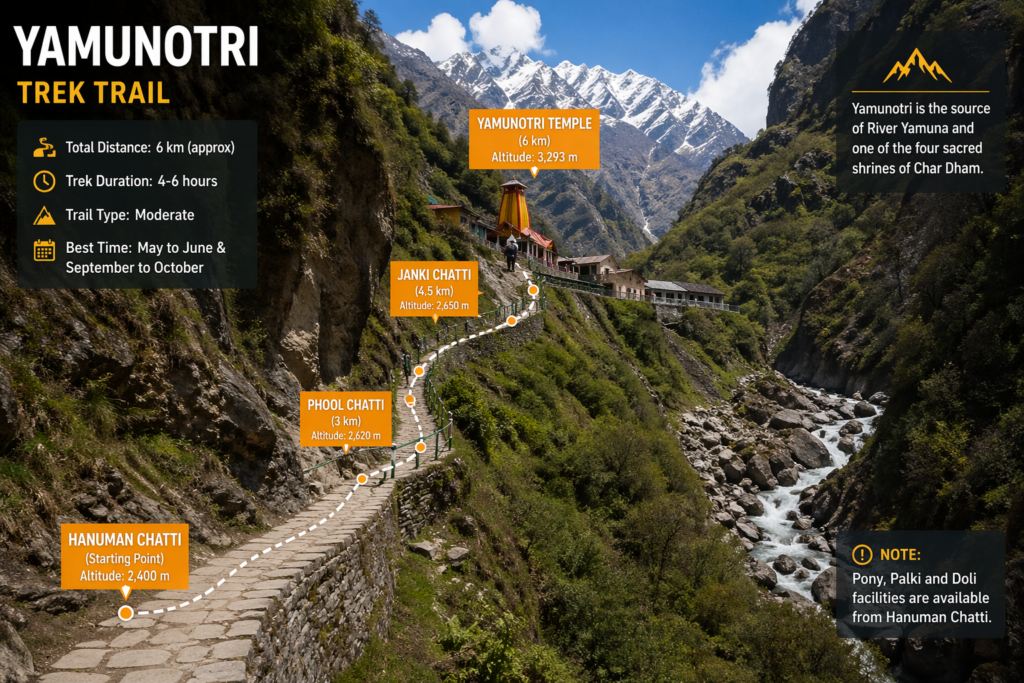
Drive to Janki Chatti (30 minutes from Barkot), the base for the Yamunotri trek. The trail is 5 km one way — mostly uphill through pine forests and alongside the Yamuna river. Allow 3–4 hours for the ascent, 1.5–2 hours for descent. At the temple, dip your pouch of rice in the Surya Kund hot spring to cook it as prasad — a unique ritual found only here. Return to Barkot by evening.
Day 3 — Barkot to Uttarkashi (82 km | 3 hours drive)
A shorter driving day. Uttarkashi is an important town in the Bhagirathi valley and home to the Vishwanath Temple. This is your base for Gangotri. Explore the local market in the evening and rest early.
Day 4 — Uttarkashi → Gangotri → Uttarkashi (100 km | 3 hours each way)
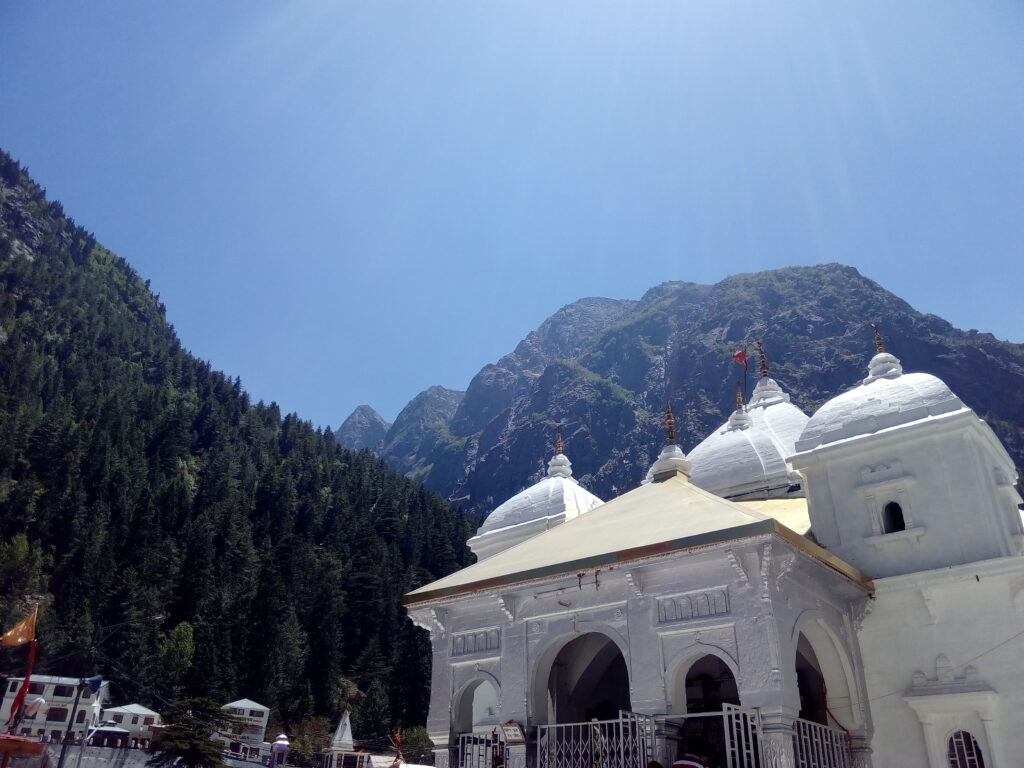
Leave early for Gangotri. The drive along the Bhagirathi river is one of the most scenic stretches of the entire yatra. Gangotri temple opens for darshan in the morning. After prayers, visit the Bhagirath Shila — the rock where King Bhagirath meditated to bring Ganga to earth. Return to Uttarkashi by evening. Total driving for the day: 100 km each way.
Day 5 — Uttarkashi to Guptkashi (200 km | 6–7 hours drive)
A long but important transfer day. Guptkashi is the most comfortable overnight base before Kedarnath. The drive passes through Tehri (near the Tehri Dam), Devprayag, Srinagar (Garhwal), and Rudraprayag. These are the Panch Prayag — the five sacred river confluences of Uttarakhand. Arrive at Guptkashi by evening and rest.
Day 6 — Guptkashi → Gaurikund → Kedarnath (2 hours drive + 16 km trek | full day)
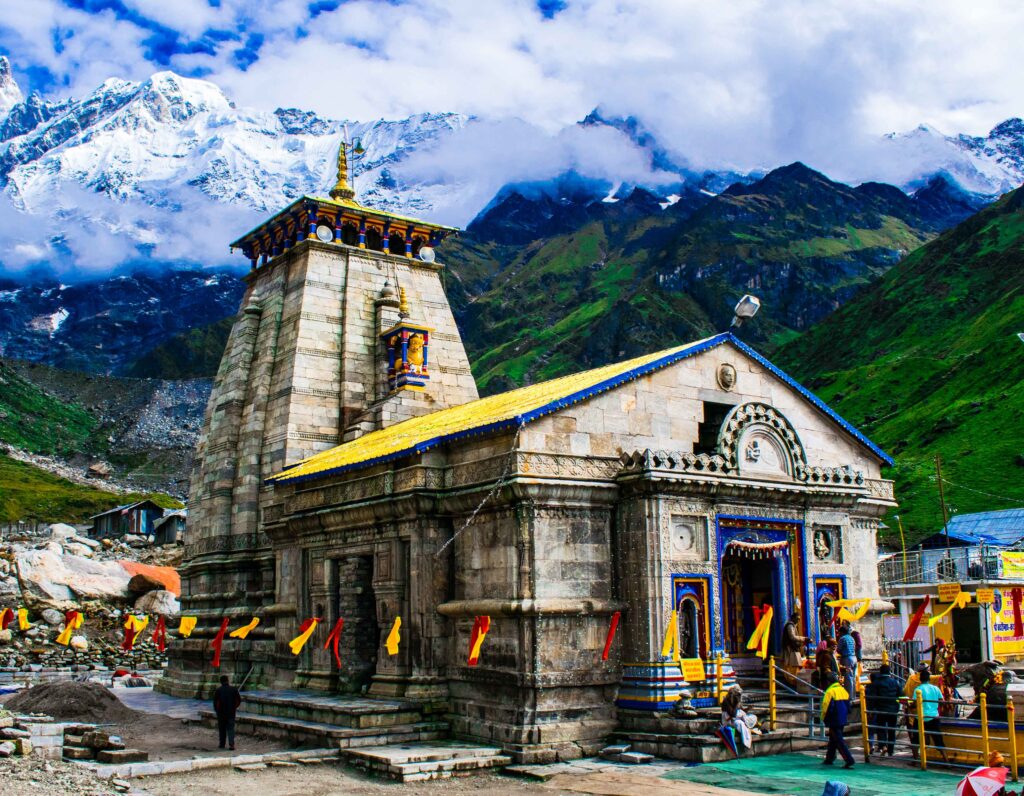
This is the most physically demanding day of the entire yatra. Leave for Gaurikund (22 km from Guptkashi) by early morning. The Kedarnath trek begins at Gaurikund and is 16 km one way, gaining over 1,400 metres in altitude. The trail passes through Jungle Chatti, Bheembali, and Linchauli before arriving at Kedarnath at 3,583 metres. Overnight stay at Kedarnath is essential to manage the trek.
Day 7 — Kedarnath darshan → descent to Guptkashi (16 km trek + 2 hours drive)
Attend the early morning Abhishek puja at Kedarnath temple — among the most powerful experiences of the yatra. Descend to Gaurikund (plan 4–5 hours for descent) and drive back to Guptkashi. Rest and recover from two days of intense trekking.
Alternative: If trekking is not possible, ponies (horses), palki (doli), and helicopter services are available from Phata/Sirsi helipad to Kedarnath. Helicopter takes just 8–10 minutes each way.
Day 8 — Guptkashi to Badrinath (195 km | 6–7 hours drive)
Drive from Guptkashi to Badrinath via Rudraprayag and Joshimath. The road follows the Alaknanda river through stunning gorges. Arrive at Badrinath (3,133 metres) by afternoon. Attend evening Aarti at the Badrinath temple — an unforgettable spiritual experience.
Day 9 — Badrinath darshan + Mana Village → Rudraprayag (152 km | 4–5 hours)
Morning darshan at Badrinath temple, followed by a visit to Mana Village — the last inhabited village before the Tibet border, just 3 km from the temple. See Vyasa Cave, Ganesh Cave, Bheem Pul, and the dramatic Vasudhara Falls (3 km further). Drive to Rudraprayag or Srinagar for an overnight halt.
Day 10 — Rudraprayag → Haridwar (165 km | 5 hours)
Return journey to Haridwar. The yatra is complete. Many pilgrims take a dip in the Ganga at Haridwar before departing.
4B. 12-Day Char Dham Yatra from Delhi {#12-day}
For pilgrims flying into or starting from Delhi, add two days to the standard 10-day Haridwar itinerary.
Day 1 — Delhi to Haridwar (220 km | 4.5 hours drive) Arrive in Haridwar, attend Ganga Aarti at Har Ki Pauri in the evening.
Day 2 — Haridwar to Barkot (190 km | 5–6 hours) Same as Day 1 of the 10-day itinerary.
Days 3 through 10 — Identical to the 10-day itinerary above (Days 2–9)
Day 11 — Haridwar to Delhi (220 km | 4.5 hours)
Day 12 — Buffer/departure day Use this as a flexible day for any delays, extended sightseeing in Haridwar/Rishikesh, or flight departures from Delhi.
Pro tip from travelsyatra.com: Delhi to Haridwar by train (Shatabdi/Jan Shatabdi) is comfortable, affordable, and faster than driving. Book rail tickets at least 30 days in advance during the May–June peak season.
4C. 5-Day Char Dham Yatra by Helicopter {#5-day-helicopter}
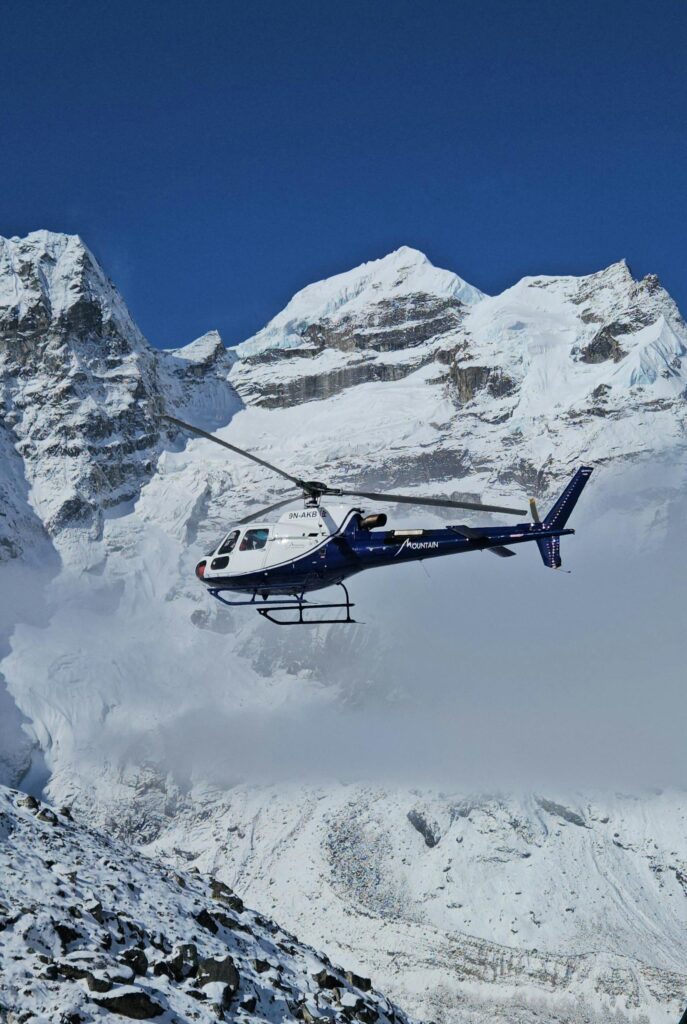
The helicopter circuit is the preferred option for those with limited time, older pilgrims, or those with health conditions that make high-altitude trekking difficult. The journey starts from Sahastradhara Helipad in Dehradun.
Day 1 — Dehradun → Kharsali → Yamunotri → Kharsali (overnight) Fly from Sahastradhara Helipad to Kharsali Helipad. From Kharsali, it is a 5.3 km trek to Yamunotri temple. After darshan, return to Kharsali for overnight stay.
Day 2 — Kharsali → Harshil → Gangotri → Harshil (overnight) Fly from Kharsali to Harshil Civil Helipad. From here, Gangotri is 23 km by road. After darshan and time at the temple, return to Harshil for the night.
Day 3 — Harshil → Phata/Sirsi → Kedarnath → Guptkashi (overnight) Fly to Phata or Sirsi Helipad. Take the short helicopter hop to Kedarnath (8 minutes). After darshan at Kedarnath temple, return by helicopter to Phata and drive to Guptkashi for overnight stay.
Day 4 — Guptkashi → Badrinath Helipad → Badrinath town (overnight) Fly to Badrinath Helipad. The temple is just 1 km walk from the helipad. Full darshan, visit to Mana Village and Vasudhara Falls. Overnight stay in Badrinath.
Day 5 — Badrinath → Dehradun Fly back to Sahastradhara Helipad. Yatra complete.
Helicopter booking note: Char Dham helicopter packages for 2026 are typically available through the IRCTC Char Dham helicopter portal and private operators. Prices range from ₹75,000 to ₹1,20,000 per person for the full circuit. Book at least 3–4 months in advance.
4D. 8-Day Minimum / Fast-Track Char Dham Yatra {#8-day}
This itinerary is for pilgrims who are physically fit, comfortable with long driving days, and have a strict time constraint. It is demanding and not recommended for first-timers or senior citizens.
Day 1 — Haridwar to Barkot (190 km) Day 2 — Yamunotri darshan + drive to Uttarkashi (82 km) Day 3 — Gangotri darshan + drive to Guptkashi (200 km) — long day Day 4 — Kedarnath trek up + overnight at Kedarnath Day 5 — Kedarnath darshan at dawn + descend + drive to Badrinath (195 km) Day 6 — Badrinath darshan + Mana Village + drive to Rudraprayag (152 km) Day 7 — Rudraprayag to Haridwar (165 km) Day 8 — Departure
Important: Day 3 and Day 5 in this itinerary involve 200 km of mountain driving plus darshan. Weather delays, road conditions, or any health issue can derail the schedule. Always keep one buffer day if possible.
4E. 12–14 Day Senior-Citizen Friendly Char Dham Yatra {#senior}
For pilgrims above 60 years of age, those with heart conditions, diabetes, or hypertension, or those who simply want a relaxed and spiritually meaningful journey, extending the yatra to 12–14 days is strongly recommended.
Key additions to the standard itinerary:
- Extra acclimatization day at Barkot (before Yamunotri) — Day 2 rest
- Extra night at Uttarkashi — allows sightseeing at Vishwanath Temple, Nehru Institute of Mountaineering, without rushing
- Pony or palki for Yamunotri trek (book in advance at Janki Chatti)
- Extra night at Guptkashi before Kedarnath — full rest before the big day
- Palki (doli) or helicopter for Kedarnath — no 16 km trek
- Extra night at Badrinath — unhurried darshan, visit to nearby sites at leisure
- Medical check at Sonprayag — mandatory for pilgrims with heart conditions before proceeding to Kedarnath
Sample 14-day pacing: Haridwar → Barkot (rest) → Barkot (Yamunotri) → Uttarkashi → Uttarkashi (rest) → Gangotri → Guptkashi → Guptkashi (rest) → Kedarnath → Kedarnath (darshan) → Badrinath → Badrinath (rest) → Rudraprayag → Haridwar.
4F. Do Dham Yatra — Kedarnath + Badrinath Only (5–6 Days) {#do-dham}
Many pilgrims — especially repeat visitors or those with limited time — choose to visit only Kedarnath and Badrinath. This Do Dham circuit is the most popular combination and takes 5–6 days from Haridwar.
Day 1 — Haridwar to Guptkashi (250 km | 7–8 hours) Day 2 — Guptkashi → Gaurikund → Kedarnath trek (overnight at Kedarnath) Day 3 — Kedarnath morning darshan → descend → drive to Badrinath (195 km) Day 4 — Badrinath darshan + Mana Village Day 5 — Badrinath to Haridwar (300 km | 8–9 hours) Day 6 — Buffer / departure
Kedarnath–Badrinath by helicopter is also possible as a 2-day trip from Dehradun for those with very limited time.
Section 5: Factors That Affect Your Char Dham Yatra Duration
The itineraries above are estimates. Here is what can add or subtract days from your actual journey:
Your starting point matters significantly. Pilgrims starting from Delhi need 2 extra days compared to those starting from Haridwar. From Rishikesh, the difference is minimal (about half a day). If you are flying into Dehradun, consider that as your base — it saves time versus Delhi and is close to Mussoorie for a pre-yatra rest stop.
| Starting city | Extra days vs Haridwar |
|---|---|
| Delhi | +2 days |
| Rishikesh | +0.5 days |
| Dehradun | +0.5 days |
| Mumbai / Bengaluru (flight to Dehradun) | +1 day travel |
Mode of travel changes everything. A personal car or hired taxi gives flexibility — you can stop when you want, adjust for weather, and avoid waiting at bus stands. Government buses are available but run on fixed schedules that may not suit darshan timing. Shared taxis are budget-friendly but cramped for mountain roads.
Peak season adds hidden hours. Between May 15 and June 30, and again in the September–October window, Kedarnath and Badrinath see their highest footfall. Queues for darshan at Kedarnath can run 4–8 hours on peak days. A 2-day Kedarnath plan can turn into 3 days simply because of the crowd. Build a buffer.
Weather disruptions are common, not rare. The Kedarnath route is particularly susceptible to landslides during monsoon (July–August). In 2023 and 2024, routes were blocked for 2–5 days at a time. If your travel dates fall in July or August, carry a 2-day weather buffer in your plan. This is not an exaggeration — it is a practical necessity.
Altitude acclimatization is not optional. Ascending too quickly from 300 metres (Haridwar) to 3,583 metres (Kedarnath) without rest days causes Acute Mountain Sickness (AMS). Symptoms include headache, nausea, dizziness, and in severe cases, HAPE (High Altitude Pulmonary Edema). One acclimatization rest day, especially before Kedarnath, is strongly recommended for anyone who has not been to high altitudes before.
Registration and darshan slots can control your timing. Since 2023, the Uttarakhand government requires biometric registration for Char Dham Yatra. In peak season, darshan slots at Kedarnath and Badrinath are timed. If your slot is at 2 PM, you need to plan your trek and arrival accordingly. Always complete your registration on the official portal before arriving.
Section 6: Char Dham Yatra 2026 — Opening Dates, Registration & Best Time to Go {#dates-2026}
Opening Dates: The Char Dham temples open each year on auspicious dates around April–May and close in October–November before the Himalayan winter sets in.
- Yamunotri and Gangotri traditionally open on Akshaya Tritiya
- Kedarnath’s opening date is decided on Maha Shivaratri each year
- Badrinath’s date is announced separately by the Badrinath–Kedarnath Temple Committee
In winter, the deity idols are moved to lower-altitude temples: Kedarnath’s idol goes to Omkareshwar Temple in Ukhimath, Badrinath’s to Narasimha Temple in Joshimath, Gangotri’s to Mukhba (Uttarkashi), and Yamunotri’s to Kharsali. Devotees can seek darshan at these winter seats too.
2026 Online Registration: The Uttarakhand government requires all pilgrims to register on the official Devasthanam portal (devasthanam.uk.gov.in) or through the IRCTC Char Dham portal. Registration is free. You will need a valid ID proof. Biometric registration is done at checkpoints before each dham. This is mandatory — do not skip it.
Best Month to Visit:
- May (post-opening): Temples have just opened, crowds build quickly but weather is crisp and clear. Recommended for those who want the freshest darshan experience.
- June: Peak season. Maximum footfall at Kedarnath and Badrinath. Excellent weather but expect queues.
- July–August: Monsoon. Routes can close due to landslides. Not recommended unless you have flexible travel dates and a high tolerance for uncertainty.
- September–October: The best time to visit. Monsoon is over, crowds thin out, weather is cool and clear, and the Himalayas wear their most beautiful face. This window is highly recommended by experienced pilgrims.
- Post-October: Temples begin closing. Badrinath and Kedarnath usually close in the first two weeks of November.
Section 7: Dham-Wise Visitor Guide
Yamunotri
Yamunotri temple is dedicated to Goddess Yamuna, the divine river and daughter of the Sun God. The trek from Janki Chatti is 5 km one way. The trail is moderately difficult — more of a steady incline than a steep climb. Fit adults complete it in 3 hours; leisurely walkers in 4–5 hours. Ponies and palki are available at Janki Chatti for those who need them.
The main ritual at Yamunotri is cooking rice in the boiling Surya Kund hot spring and offering it to the goddess. Divya Shila — a rock pillar — must be worshipped before entering the main temple. The nearby Kharsali village is the winter seat of the goddess and is worth visiting if time permits.
Time required at Yamunotri (darshan + rituals): 2–3 hours at the temple, plus 5–6 hours total trekking.
Gangotri
Gangotri temple sits at 3,100 metres on the banks of the Bhagirathi river, which merges with other tributaries to become the Ganga downstream. Unlike Yamunotri, there is no major trek here — the temple is accessible by road until Gangotri town, and the temple complex is a short walk from the parking area.
The actual source of the Ganga is at Gaumukh, the snout of the Gangotri glacier, which is 19 km further on a separate trek. If you wish to add Gaumukh, budget one extra day and note that a permit is required.
Key sites: Bhagirath Shila (the rock of King Bhagirath’s meditation), Submerged Shivling (visible in winter when water recedes), Pandava Gufa, Harshil village (famous for apple orchards and river views).
Time required at Gangotri (darshan + sightseeing): 3–4 hours.
Kedarnath
Kedarnath is the most demanding and most spiritually intense dham of the four. The temple, believed to be over 1,200 years old and rebuilt after the devastating 2013 floods, sits at 3,583 metres against a backdrop of snow-covered peaks. Lord Shiva is worshipped here as a Jyotirlinga — one of the 12 most sacred Shiva shrines in India.
You have three options to reach the temple from Gaurikund:
- Trek (16 km one way): 5–6 hours uphill, 4 hours downhill. Physically demanding but deeply rewarding.
- Pony or palki: Available from Gaurikund. Ponies take 4–5 hours. Palki (doli) is carried by 4 men and takes about the same time. Book in advance, especially in peak season.
- Helicopter: Flies from Phata, Sirsi, or Guptkashi helipads to Kedarnath. Takes 8–10 minutes. Price ranges from ₹4,500 to ₹7,000 per person one way. Books out weeks in advance in peak season.
Must-do at Kedarnath: Early morning Rudra Abhishek puja (booked in advance), visit to Gandhi Sarovar (3 km further), and the evening Aarti inside the temple.
Time required: Minimum 2 hours for darshan; 4–5 hours if including puja bookings and Gandhi Sarovar.
Badrinath
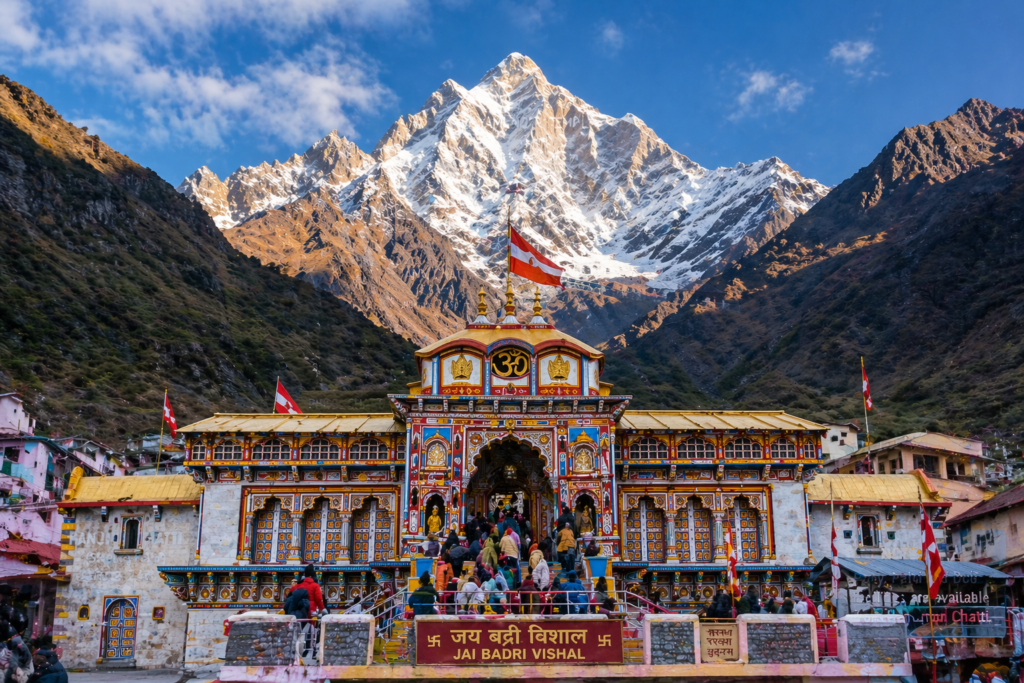
Badrinath is the final and most accessible of the four dhams. The temple town is well-developed, with roads reaching all the way up. Lord Vishnu is worshipped here in the form of Badrinarayan. The temple’s distinctive colourful facade against the snow-white Nilkantha peak backdrop is one of the most photographed scenes in the Himalayas.
Must-do at Badrinath: Take a dip in Tapta Kund (natural hot spring next to the temple) before darshan. Visit Brahma Kapal (the sacred platform on the Alaknanda river bank for ancestor rituals). Drive 3 km to Mana Village, where you can see Vyasa Cave, Ganesh Cave, and the last Indian tea shop before Tibet.
For the adventurous, Vasudhara Falls (6 km trek from Mana) offers a spectacular reward — a waterfall that legend says only falls on the pure of heart.
Time required: 4–5 hours for temple darshan, Tapta Kund, and Mana Village. Add 3–4 hours for Vasudhara Falls.
Section 8: Char Dham Yatra Cost Breakdown by Duration {#cost}
One of the most searched questions alongside duration is: how much does Char Dham Yatra cost? Here is a realistic breakdown.
Budget Traveller (₹15,000–₹25,000 per person)
- Accommodation: Basic dharamshalas and government guesthouses (₹300–₹700/night)
- Transport: Government buses or shared cabs
- Food: Local dhabas and langar (free at temple trusts)
- Suitable for: Young, fit, solo pilgrims or small groups comfortable with basic facilities
Mid-Range (₹35,000–₹55,000 per person)
- Accommodation: Decent hotels or pre-booked guesthouses (₹1,500–₹3,000/night)
- Transport: Hired cab for the full circuit (split across 4–6 people)
- Food: Restaurant meals at overnight halts
- Suitable for: Families, couples, and groups seeking comfort without luxury
Luxury / Premium Package (₹70,000–₹1,20,000 per person)
- Accommodation: Premium hotels and camps at key stops
- Transport: Private cab + helicopter for Kedarnath
- Food: Hotel meals included
- Special services: Dedicated guide, priority darshan passes, pre-booked puja slots
Helicopter (Full Circuit) — ₹80,000–₹1,20,000 per person
All-inclusive helicopter packages from Dehradun covering all four dhams, with accommodation at overnight halts, transport between helipads, meals, and darshan assistance.
Extra days add cost: Each additional day adds approximately ₹2,500–₹4,000 per person (accommodation + food + local transport). Plan your duration realistically against your budget.
Section 9: Packing List, Health Tips & What to Expect
Essential Packing List
Clothing:
- Warm inner thermals (temperature at Kedarnath can drop to 2–5°C even in June)
- Waterproof jacket / windcheater
- Comfortable trekking shoes with ankle support (not sandals for Yamunotri or Kedarnath)
- Rain poncho or compact umbrella
- Woollen cap, gloves, and socks
- Modest, full-body-covering clothing for temple entry (revealing clothing is not permitted)
Medicines and Health:
- Diamox (Acetazolamide) — for altitude sickness prevention (consult your doctor before use)
- Disprin / paracetamol for mild headaches
- ORS (Oral Rehydration Salts) sachets
- Personal prescription medicines with sufficient supply
- Band-aids, antiseptic cream, basic first aid
- Glucose/energy biscuits for trekking days
Documents:
- Original government-issued ID proof (Aadhaar, Passport, Voter ID)
- Char Dham Yatra registration certificate (printed copy)
- Travel insurance documents
- Emergency contact list (written, not just on phone)
Other Essentials:
- Walking stick / trekking pole (available for hire at Janki Chatti and Gaurikund)
- Power bank (charging points are scarce on trek routes)
- Cash — ATMs are unreliable beyond Uttarkashi and Joshimath. Carry sufficient cash for the trek days.
- Insulated water bottle
Health and Fitness Advice
Altitude Sickness (AMS): The most common health issue on Char Dham Yatra. Symptoms include headache, nausea, loss of appetite, dizziness, and breathlessness. The golden rule: if symptoms appear, do not ascend further. Descend immediately if symptoms worsen.
Pre-yatra fitness: Start a daily 30-minute walk routine at least 4 weeks before your yatra. If you plan to trek Kedarnath and Yamunotri, practice stair climbing with a backpack. Pilgrims who arrive physically unprepared frequently require evacuation from Kedarnath route — this is avoidable.
Medical check: Pilgrims with heart disease, hypertension, diabetes, or asthma must consult their doctor before undertaking this yatra. A medical fitness certificate is required at Sonprayag checkpoint (before Kedarnath) for older pilgrims and those with known conditions.
Hydration: Drink 3–4 litres of water per day, especially on trekking days. Avoid alcohol completely — it accelerates dehydration at altitude.
Temple Etiquette
- Remove footwear before entering all temple premises
- Photography is not permitted inside the sanctum sanctorum at most dhams
- Maintain silence and decorum inside the temple complex
- Vegetarian food only throughout the yatra — non-vegetarian food is not available near the dhams
Section 10: Frequently Asked Questions {#faq}
Q1: Can Char Dham Yatra be done in 7 days?
Technically possible but extremely rushed and not advisable. A 7-day itinerary would mean 250–300 km of mountain driving on several days, no buffer for weather or health issues, and darshan that feels hurried rather than spiritually fulfilling. If you genuinely have only 7 days, consider Do Dham (Kedarnath + Badrinath) instead.
Q2: How many days is enough for Char Dham by helicopter?
5 days is the standard helicopter package duration. Some operators offer a condensed 4-day version, but this leaves no room for weather delays (which are common at high-altitude helipads). A 5-day plan with arrival on Day 0 in Dehradun is most reliable.
Q3: What is the absolute minimum number of days for Char Dham Yatra?
8 days from Haridwar by road, for a physically fit adult with no health conditions. Below 8 days by road is not feasible without skipping one dham or spending more than 12 hours in the vehicle every day. By helicopter, the minimum is 4–5 days.
Q4: How many days are needed for only Kedarnath and Badrinath (Do Dham)?
5 days from Haridwar is the minimum for a comfortable Do Dham yatra. Day 1: Haridwar to Guptkashi. Day 2: Trek to Kedarnath. Day 3: Darshan + descend + drive to Badrinath. Day 4: Badrinath darshan + Mana. Day 5: Return to Haridwar.
Q5: Is Char Dham Yatra safe for senior citizens?
Yes, with the right plan. Seniors should opt for the 12–14 day itinerary, use ponies or palki for Yamunotri and Kedarnath, carry medical fitness clearance, and travel with a companion or organized group tour. Helicopter-based itineraries are also an excellent option for older pilgrims.
Q6: How many days of leave should I apply for at work?
If starting from Delhi or a major city: apply for 14 days to cover 12 days of yatra plus 2 days of travel. If starting from Haridwar/Dehradun: 12 days of leave is sufficient. Always add a 2-day buffer for weather and road delays — mountains operate on their own schedule.
Q7: What happens if a landslide or weather disruption occurs mid-yatra?
This is not rare — it happens every season. If a route is blocked, all pilgrims wait at the nearest safe halt until the route clears. SDRF (State Disaster Response Force) teams manage emergencies on the route. Always carry 2–3 extra days’ worth of cash, medicines, and patience. Travel insurance with trip interruption cover is strongly recommended.
Q8: Can Char Dham Yatra be done in 5 days by road?
No. 5 days by road from Haridwar cannot cover all four dhams safely. The road distances alone — over 1,200 km total circuit — require more time. 5 days by road can cover Do Dham (Kedarnath + Badrinath) comfortably, or Gangotri + Yamunotri if you skip the two southern dhams.
Q9: Is registration mandatory for Char Dham Yatra 2026?
Yes. Since 2023, registration on the official Devasthanam portal or through IRCTC is mandatory. The registration is free and requires a valid government ID. Biometric verification is done at checkpoints before each dham. Pilgrims without valid registration may be turned away at checkpoints, especially on peak days.
Q10: Which month has the least crowd for Char Dham Yatra?
October is the sweet spot. The monsoon has ended, the weather is crystal clear, and the peak-season crowds from May–June have dispersed. Most pilgrims and tour operators consider September–October as the best time to visit for a balance of good weather, manageable crowds, and beautiful Himalayan landscapes.
Conclusion: Choose the Char Dham Yatra Duration That Fits Your Life
The Char Dham Yatra is not a race. It is one of the most sacred and transformative journeys a person can undertake. The right number of days is the number that lets you arrive at each shrine with a calm mind, complete your darshan without rushing, and return home safely.
If you are physically fit and time-constrained, 10 days from Haridwar by road is the benchmark. If you are a senior citizen, 12–14 days is not excessive — it is wise. If time is genuinely scarce, the helicopter circuit in 5 days brings the same four sacred places within reach. And if this is your first yatra, give yourself 12 days. You will not regret the extra day at Kedarnath or the quiet morning at Mana Village.
Ready to plan your Char Dham Yatra 2026?
At Travels Yatra, we have been curating char dham yatra package from delhi by road and by helicopter for pilgrims from across India. Whether you need a 10-day group package from Haridwar, a private luxury circuit, a senior-citizen special tour, or a customized itinerary for your family — we build it around your needs, not a template.
📞 Call us to plan your yatra: [+91 9899383249] 💬 WhatsApp us your travel dates: [Insert WhatsApp link] 🔗 Browse 2026 Char Dham Packages: [Link to travelsyatra.com packages page]
Published by Travels Yatra | Updated for Char Dham Yatra 2026 | Expert-reviewed content by our Uttarakhand travel specialists with 10+ years of Himalayan pilgrimage experience.