Table of Contents
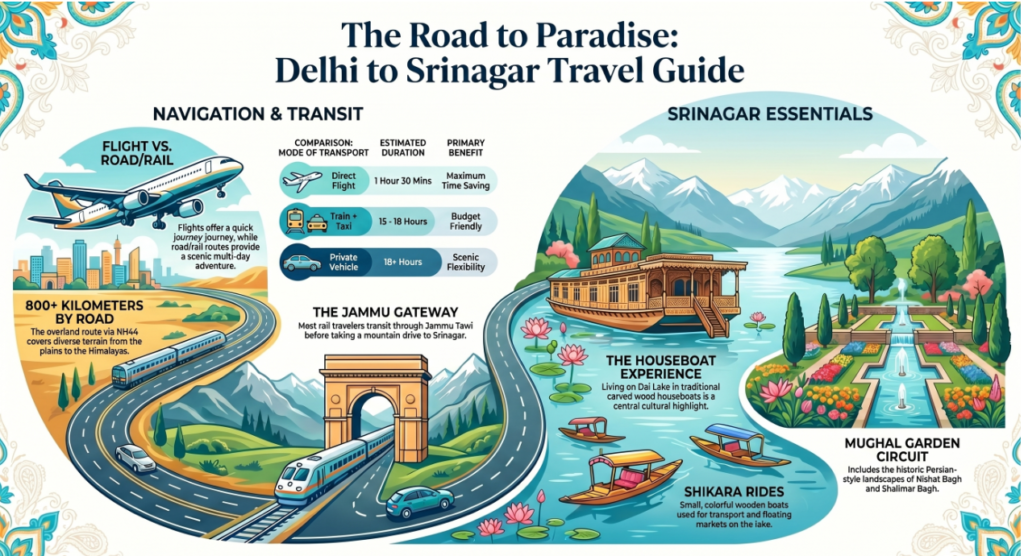
Kashmir. The name alone is enough to make you pause and dream. Snow-capped peaks, mirror-still lakes, gardens bursting with colour, and air so clean it almost feels unfamiliar. If you have been thinking about a Kashmir trip from Delhi, 2026 is the year to finally make it happen. This guide covers everything — the best itinerary, how to get there, what it costs, and what no one else tells you before you go.
Why Delhi Travellers Are Choosing Kashmir in 2026
Delhi to Kashmir is one of the most popular holiday routes in India, and for good reason. The distance is manageable, the flight is barely an hour, and what waits on the other side feels like a different planet entirely. Whether you are planning a honeymoon, a family vacation, or a solo escape, a Kashmir tour package from Delhi gives you access to some of the most breathtaking scenery in the world — without crossing an international border.
Tourism in the Valley has seen a strong revival over the past couple of years, with improved infrastructure, better road connectivity, and a wider range of accommodation options from budget guesthouses to luxury houseboats. 2026, in particular, is shaping up to be a landmark year for Kashmir tourism, with increased flight frequency from Delhi making the Kashmir trip from Delhi by flight faster and more affordable than ever.
When Is the Best Time to Visit Kashmir from Delhi?
Kashmir is a year-round destination, but each season offers a completely different experience.
March to May (Spring): The Valley erupts in colour. Tulip gardens are in full bloom, temperatures are pleasant (10°C to 22°C), and this is widely considered the most beautiful time to visit. The famous Indira Gandhi Memorial Tulip Garden in Srinagar, Asia’s largest tulip garden, is at its peak during late March and April.
June to August (Summer): This is peak tourist season. Temperatures in Srinagar hover between 15°C and 30°C, making it a perfect escape from Delhi’s brutal heat. Gulmarg, Pahalgam, and Sonamarg are all fully accessible. Expect higher prices and bigger crowds.
September to November (Autumn): Arguably the most underrated time to visit. The chinar trees turn gold and red, the tourist rush dies down, and the weather is crisp and clear. Saffron harvesting begins in October, and the Valley takes on a quieter, more local character.
December to February (Winter): For snow lovers and skiing enthusiasts, this is the season. Gulmarg transforms into one of Asia’s premier ski destinations. Temperatures can drop below -10°C in higher areas, so pack accordingly.
How to Reach Kashmir from Delhi
Kashmir Trip from Delhi by Flight — The Recommended Route
The quickest and most convenient way is to fly directly from Indira Gandhi International Airport (DEL) in Delhi to Sheikh ul-Alam International Airport (SXR) in Srinagar. The flight duration is approximately 1 hour 15 minutes, and multiple airlines operate this route daily — including IndiGo, Air India, SpiceJet, and Vistara.
Flight prices from Delhi to Srinagar typically range between ₹3,500 and ₹9,000 one way, depending on how far in advance you book and the season. For peak summer months (June–August), booking at least 6–8 weeks in advance is strongly recommended.
By Train + Road
If you prefer a scenic overland journey, you can take a train from Delhi to Jammu (around 8–10 hours on trains like the Jammu Mail or Uttar Sampark Kranti Express) and then hire a cab or take a bus from Jammu to Srinagar via the Jammu–Srinagar National Highway. This road journey takes 8–10 hours through the Banihal Tunnel and offers stunning mountain views, though it can be affected by weather conditions and road blockages during winter.
For most travellers planning a 5 nights 6 days Kashmir holiday package from Delhi, the flight option saves precious time and is the clear choice.
Kashmir Holiday Package 5 Nights 6 Days from Delhi — The Ideal Itinerary
A 5-night, 6-day trip is the sweet spot for Kashmir. It gives you enough time to cover Srinagar, Gulmarg, and Pahalgam without feeling rushed, and it fits comfortably into a standard holiday leave window.
Here is a detailed day-by-day breakdown.
Day 1: Arrival in Srinagar — Houseboat Check-in and Dal Lake
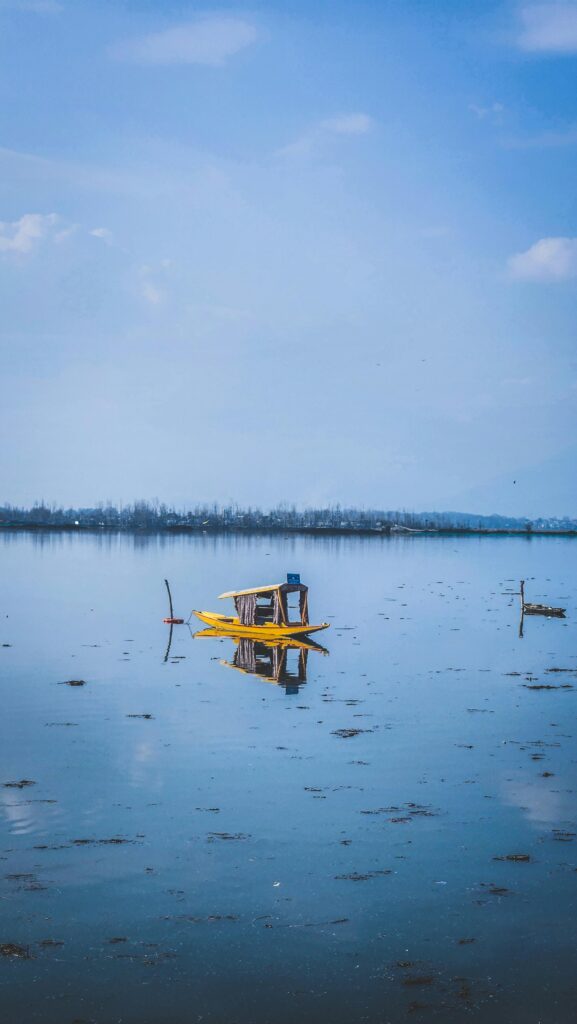
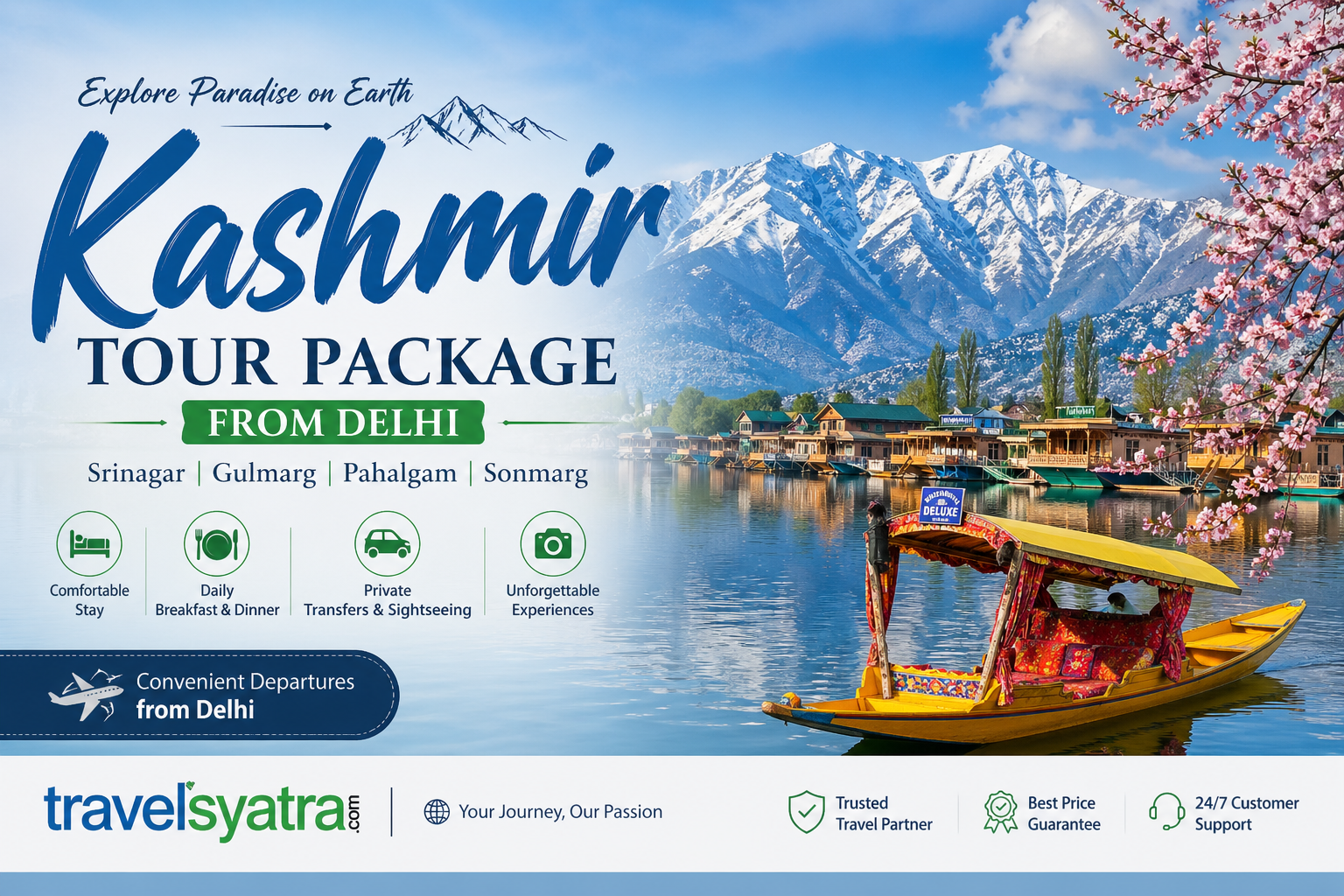
Your Kashmir adventure begins the moment you land. After arrival at Srinagar Airport, your driver will meet you and transfer you to the iconic Dal Lake, where you will check into a traditional houseboat — one of the most unique accommodation experiences in India.
Spend your first evening on a Shikara ride across the lake. As the sun sets over the Zabarwan mountains and the sky turns shades of amber and pink, you will understand very quickly why Kashmir is called Paradise on Earth. Dinner on the houseboat, with the gentle sound of water beneath you, is an experience that stays with you.
Tip: Ask your Shikara boatman to take you past the floating vegetable market — it is a slice of local life that most tourists miss.
Day 2: Srinagar Local Sightseeing — Mughal Gardens and Old City
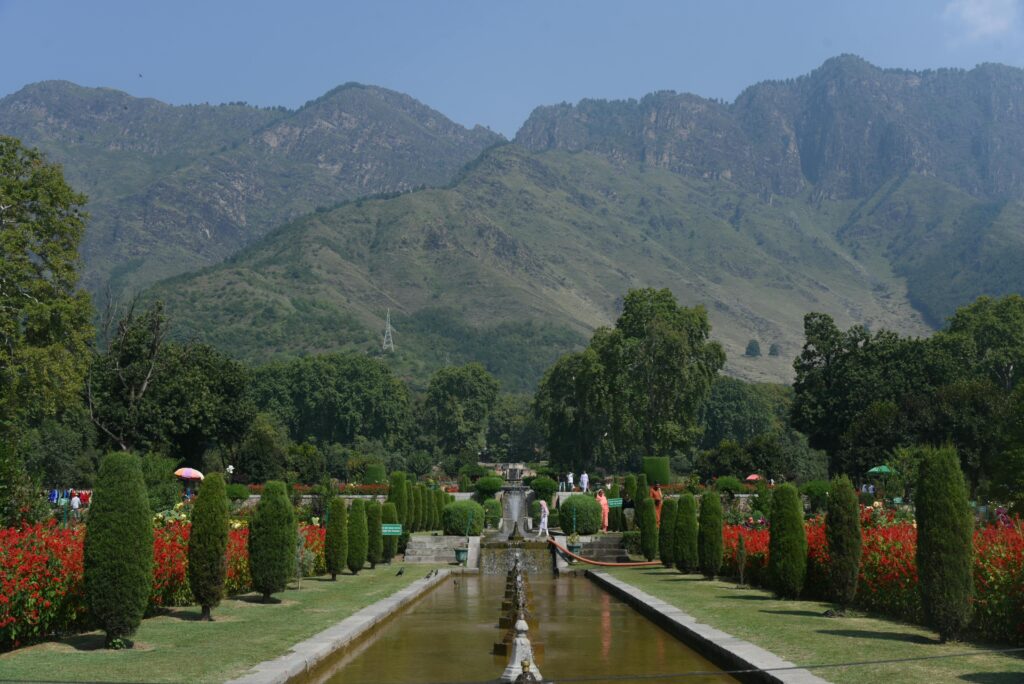
Today is for exploring Srinagar itself, a city that rewards slow, curious travel.
Start your morning at the Mughal Gardens — Nishat Bagh (Garden of Bliss) and Shalimar Bagh (Abode of Love), both built along the eastern shore of Dal Lake. These terraced gardens, originally commissioned by Mughal emperors, are immaculately maintained and offer stunning views of the lake and mountains.
From there, head to the Shankaracharya Temple perched atop a hill for panoramic views of the entire city. Spend the afternoon in the old city — visit the Jama Masjid with its striking Indo-Saracenic architecture, browse the lanes of Lal Chowk for Kashmiri handicrafts and dry fruits, and pick up some saffron directly from local vendors (far cheaper and more authentic than packaged versions you find elsewhere).
In the evening, consider a sunset visit to the Pari Mahal (Palace of Fairies), a seven-terraced garden that sees far fewer visitors than the main Mughal gardens but is equally beautiful.
Day 3: Gulmarg — Snow, Gondola, and Open Meadows
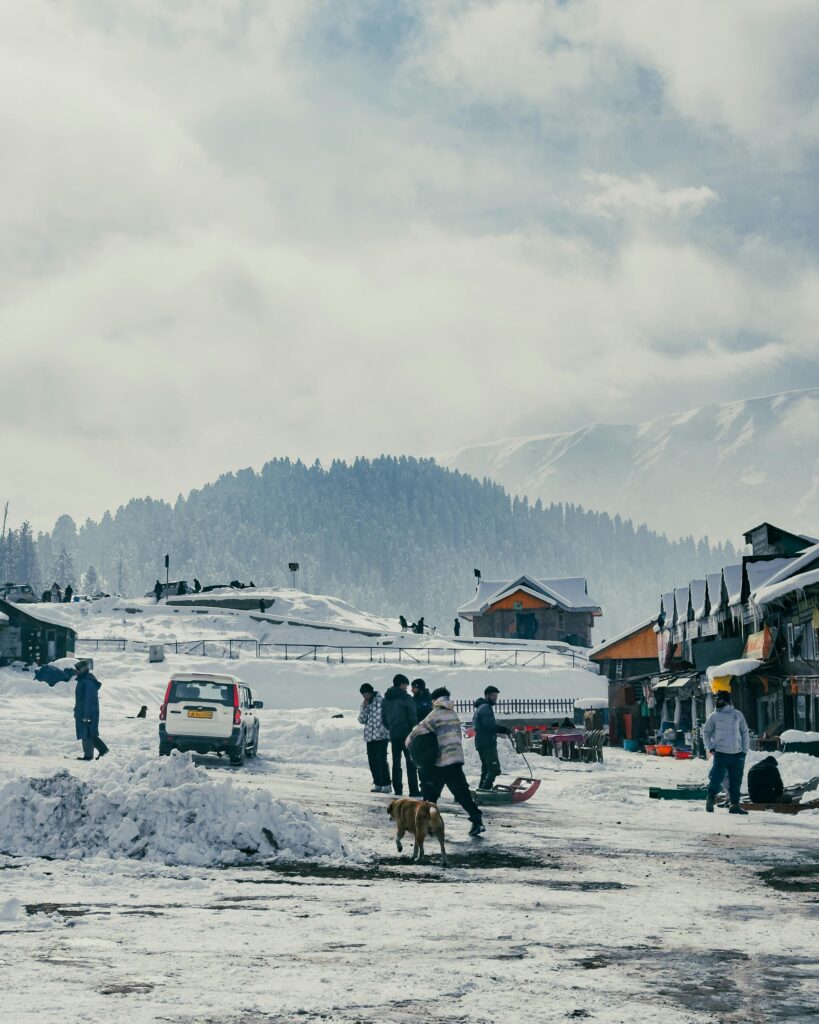
An early start today for the drive to Gulmarg, roughly 50 kilometres from Srinagar and about 1.5 to 2 hours by road. The name Gulmarg translates to “Meadow of Flowers,” and this high-altitude destination (2,650 metres above sea level) is one of the most spectacular places in the entire Valley.
The highlight here is the Gulmarg Gondola — one of the highest cable car systems in the world. It operates in two phases: Phase 1 takes you to Kongdori (2,650m) and Phase 2 takes you all the way up to Apharwat Peak (3,980m), where you are likely to encounter snow even in summer months. The views from the top are simply extraordinary — a white landscape that stretches to the horizon with the Himalayan peaks in the distance.
If you are visiting in winter, Gulmarg offers skiing and snowboarding through the Jammu & Kashmir Tourism Development Corporation. For summer visitors, the meadows are perfect for horse riding and nature walks.
Return to Srinagar by evening and overnight on the houseboat.
Tip: Book your Gondola tickets online through the official J&K Tourism website in advance, especially during peak season. The queues can be very long.
Day 4: Pahalgam — The Valley of Shepherds
Today you drive to Pahalgam, located about 90 kilometres from Srinagar (2.5 to 3 hours by road). The journey itself is beautiful — you pass through saffron fields near Pampore, the ancient town of Avantipur with its ruined temple complex, and apple and willow orchards lining the Lidder River.
Pahalgam sits at an altitude of 2,130 metres and serves as the base camp for the annual Amarnath Yatra. But even outside of that pilgrimage season, Pahalgam is a destination in its own right.
Spend the day exploring Betaab Valley — named after the Bollywood film shot here — with its lush green meadows and clear streams. Head further to Aru Valley, a quieter, more pristine meadow that few tourists venture into. Chandanwari, the starting point of the Amarnath trek, is also accessible from Pahalgam and offers gorgeous views.
Horse rides through the valley, a picnic by the Lidder River, and simply sitting on the grass watching the mountains — Pahalgam rewards you for doing nothing in particular.
Overnight stay in Pahalgam at a riverside hotel or resort.
Day 5: Sonamarg — The Meadow of Gold
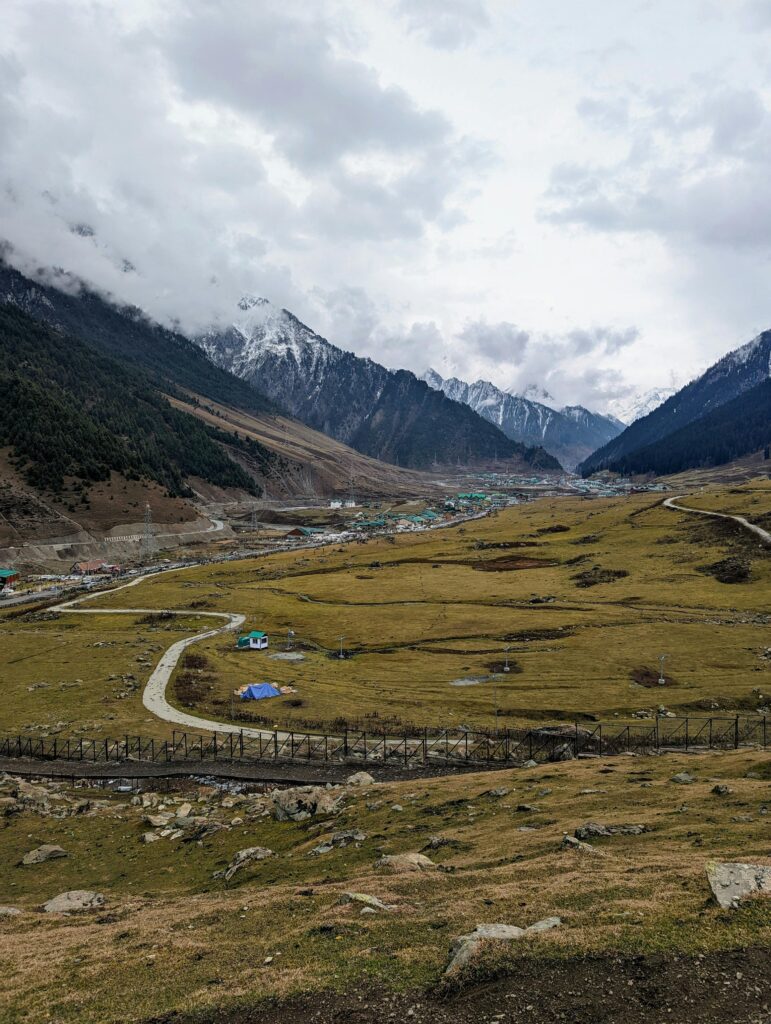
Drive from Pahalgam back toward Srinagar and continue northeast to Sonamarg, approximately 80 kilometres from Srinagar. Sonamarg (meaning “Golden Meadow”) sits at 2,740 metres and is the last major town on the Srinagar–Leh Highway before the Zoji La Pass.
The scenery here is dramatically different from Pahalgam — more rugged, more alpine, with glaciers visible from the road. The main attraction is the Thajiwas Glacier, accessible by horse or on foot. In summer, the glacier is surrounded by wildflowers and the contrast of ice and green meadows is unforgettable.
Sonamarg is also the gateway for treks to Vishansar Lake and Krishnasar Lake — stunning high-altitude lakes for those who want to venture off the beaten track with an extra day or two.
Return to Srinagar in the evening. Spend your last night on the houseboat or in a hotel, depending on your preference.
Tip: Sonamarg roads beyond the main meadow are controlled by the army. Entry timings and access can vary, so check locally before planning deep excursions.
Day 6: Departure from Srinagar
A leisurely morning on the Dal Lake before your transfer to Srinagar Airport. Use this time to pick up last-minute souvenirs — Kashmiri Pashmina shawls, walnut wood carvings, Kani shawls, Kashmiri kahwa (tea), and saffron are the best buys. Avoid buying from airport shops where prices are significantly marked up.
Your six days in Kashmir will have covered extraordinary ground, but they will also leave you with the unmistakable feeling that you need to come back.
Kashmir Tour Cost from Delhi — Detailed Breakdown for 2026
One of the most common questions for anyone planning a Kashmir trip is: how much will it actually cost? The answer depends on your travel style, but here is a realistic breakdown across three budget categories.
Budget Traveller (per person, twin sharing): Expect to spend between ₹25,000 and ₹35,000 for a 5-night, 6-day trip. This includes economy flights, budget houseboat or guesthouse accommodation, shared cabs or local transport, and simple meals.
Mid-Range Traveller (per person, twin sharing): The most popular bracket for Delhi travellers falls between ₹40,000 and ₹65,000. This covers economy or value flights, a mix of a 3-star hotel and a good houseboat, private cab transfers, most meals, and the key activities like the Gondola ride and Shikara.
Luxury Traveller (per person, twin sharing): Premium packages range from ₹80,000 to ₹1,50,000 and above per person. This includes business class or flexible economy flights, premium houseboats or luxury heritage hotels, private chauffeur-driven vehicles, guided tours, and curated experiences.
Here is a component-by-component cost estimate for a mid-range trip:
Flights (Delhi to Srinagar, round trip): ₹7,000 – ₹14,000 per person. Accommodation (5 nights): ₹8,000 – ₹18,000 per person. Private cab transfers across all days: ₹12,000 – ₹18,000 (shared across 2 people). Meals (most packages include breakfast; budget ₹500–₹800 per meal outside): ₹5,000 – ₹8,000 per person. Activities (Gondola, Shikara, horse rides, entry fees): ₹4,000 – ₹7,000 per person. Miscellaneous and shopping buffer: ₹3,000 – ₹5,000.
Total estimated cost for a mid-range Kashmir holiday package 5 nights 6 days from Delhi: approximately ₹45,000 – ₹65,000 per person.
For couples travelling together, the per-person cost comes down noticeably because transport and accommodation costs are shared.
What Is Typically Included in a Kashmir Tour Package from Delhi
When you book a curated package through a travel agent or online platform, most Kashmir tour packages from Delhi include return flights from Delhi, airport pick-up and drop, all inter-destination transfers in a private cab, accommodation (houseboat + hotel), daily breakfast, and a Shikara ride. Some packages also include the Gondola ride and sightseeing tours with a guide.
What is typically not included: personal expenses, meals beyond breakfast, adventure activities like skiing or trekking, travel insurance, and tips for drivers and guides.
Always read the inclusions and exclusions carefully before booking, and confirm whether GST (usually 5%) is included in the quoted price or added on top.
Practical Tips Before You Go
Carry cash. While UPI is now widely accepted in Srinagar city, many places in Gulmarg, Pahalgam, and Sonamarg still run on cash. ATMs can be unreliable in remote areas.
Dress in layers. Even in summer, mornings and evenings in the Valley are cool. In winter, heavy woolens and thermals are essential.
Respect local customs. Kashmir is a predominantly Muslim region. Dress modestly when visiting mosques and shrines, avoid public displays of affection, and always ask before photographing people.
Stay flexible. Weather in the mountains can be unpredictable. Roads can close, flights can be delayed, and plans can change. Build at least half a day of buffer into your itinerary and embrace the unexpected.
Buy travel insurance. Given the mountain terrain and occasional weather disruptions, a travel insurance policy that covers trip cancellation and medical emergencies is worth the small additional cost.
Download offline maps. Mobile data connectivity can be patchy in some parts of the Valley, particularly on the roads between destinations. Download Google Maps offline for Srinagar, Gulmarg, and Pahalgam before you leave Delhi.
Is Kashmir Safe to Visit in 2026?
This is a question every first-time visitor asks, and it deserves a direct answer. Kashmir’s tourism infrastructure has improved substantially and millions of Indian and international tourists visit the Valley every year without incident. Popular tourist areas like Srinagar, Gulmarg, Pahalgam, and Sonamarg are well-patrolled and generally safe.
As with any travel destination, exercise common sense. Stay updated on local news before and during your trip, follow advice from your hotel and local guides, and avoid venturing into areas that are not on the standard tourist circuit without proper guidance. The J&K Tourism Department also maintains helplines and tourist facilitation centres that are genuinely helpful.
The vast majority of travellers who visit Kashmir return not just safely, but completely enchanted — and already planning their next visit.
Final Word — Kashmir Is Waiting
There is a reason Kashmir has been called Paradise on Earth for centuries. It is not hyperbole. It is a place where the scale of the landscape makes ordinary life feel small in the most healing way possible. A Kashmir tour package from Delhi is one of the best investments you can make in 2026 — in experience, in memory, and in the kind of joy that a week at a beach resort simply cannot replicate.
Start planning. Book early. And get ready for the trip that will ruin every other holiday for you — in the very best way.