Table of Contents
The Amarnath Yatra is one of the most spiritually significant pilgrimages in India. Every year, lakhs of devotees travel to the holy cave shrine in Jammu and Kashmir to seek the blessings of Lord Shiva, drawn by both faith and the sheer scale of the journey itself. For pilgrims travelling from Delhi, the yatra is not something you can plan on a whim. It involves registration formalities, medical clearances, route decisions, and a fair bit of physical preparation, all layered on top of the usual logistics of travel and accommodation.
This guide walks you through everything you need to know to plan an Amarnath Yatra tour package from Delhi, from choosing the right route to picking a reliable operator, so that your journey stays focused on devotion rather than getting stuck in avoidable confusion.
Why Planning from Delhi Needs a Slightly Different Approach
Delhi works as a natural starting point for the Amarnath Yatra because of its connectivity. Most pilgrims from central and northern India, and even those flying in from other parts of the country, use Delhi as a transit hub before heading to Jammu or Srinagar. This means your planning has two layers to think through: the Delhi to Kashmir leg, and the actual yatra logistics once you reach the base camps.
A lot of first-time pilgrims underestimate this. They focus entirely on the yatra itself and forget that the Delhi to Jammu or Delhi to Srinagar journey, whether by train, flight, or road, needs its own buffer of time and planning. A good tour package folds both legs into a single itinerary, which is one of the biggest reasons pilgrims from Delhi prefer booking a package instead of arranging everything piece by piece.
Understanding the Amarnath Yatra: A Quick Overview
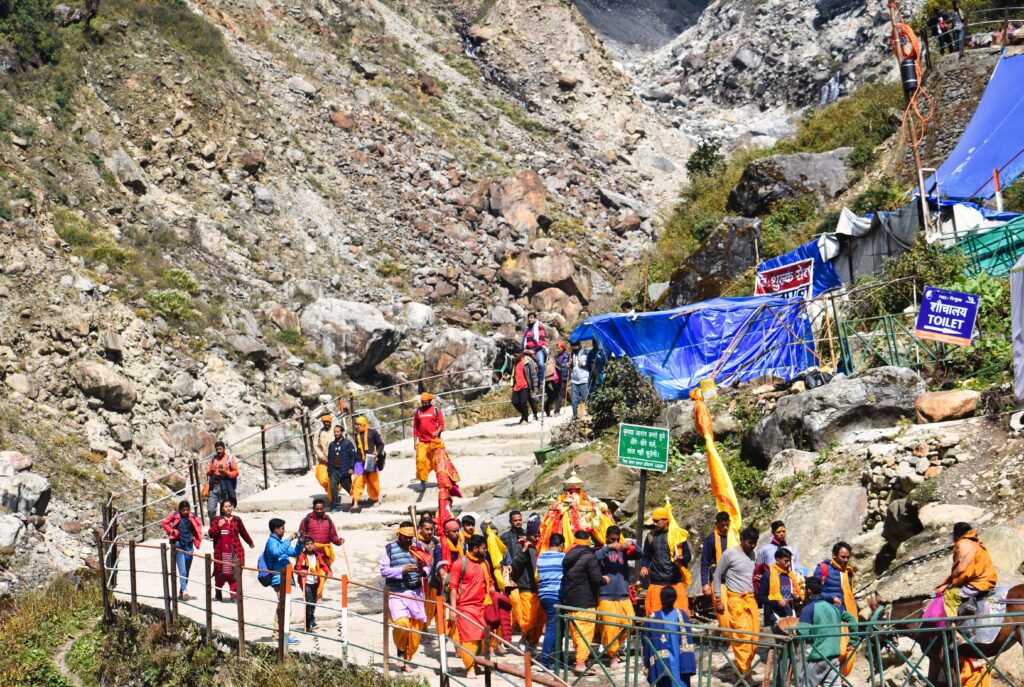
The Amarnath cave shrine sits at an altitude of roughly 3,880 metres in the Himalayas, and it houses a naturally formed ice lingam that devotees believe is a manifestation of Lord Shiva. The yatra typically takes place over a window of about 45 to 60 days each year, generally between late June and August, depending on when the Shri Amarnathji Shrine Board (SASB) announces the dates.
Because the yatra is time bound, weather dependent, and physically demanding, the Jammu and Kashmir government along with SASB regulates it closely. Registration is mandatory, health checks are compulsory, and daily numbers of pilgrims permitted on each route are capped. This is precisely why most pilgrims, especially those doing the yatra for the first time, choose to book through an established tour operator rather than trying to coordinate every permit and transfer independently.
Choosing Your Route: Pahalgam vs Baltal
One of the first real decisions you will make while planning your tour package is which route to take. There are two main options, and each comes with a different experience.
The Pahalgam route is the traditional path and considerably longer, stretching across roughly 46 to 48 kilometres over three to five days of trekking. It passes through scenic stops like Chandanwari, Sheshnag, and Panchtarni, and the gradient is gentler, which makes it more manageable for pilgrims who are moderately fit but not particularly experienced trekkers.
The Baltal route is shorter, around 14 kilometres one way, and can technically be completed in a single day. However, it is steeper and more strenuous in a compressed timeframe, so it tends to suit pilgrims who are short on time or already used to trekking at altitude.
Many packages also offer a helicopter option from either base camp, which cuts down the trekking distance significantly and is popular among elderly pilgrims or those travelling with young children.
Pros and Cons of Each Route
Pahalgam Route
Pros:
- Gentler incline, easier on the knees and joints
- More time to acclimatize gradually to the altitude
- Scenic stops that make the journey feel more immersive
- Generally considered safer for first-time or moderately fit pilgrims
Cons:
- Takes three to five days, requiring more time off and more overnight stays
- Higher accommodation and langar dependency along the way
- More exposure to changing weather over a longer stretch
Baltal Route
Pros:
- Much shorter distance, suitable for pilgrims with limited leave or time
- Can often be completed as a same-day up and down trip
- Fewer overnight halts required
Cons:
- Steeper gradient, harder on the body in a short span
- Less time to acclimatize, which increases altitude sickness risk
- Considered riskier for elderly pilgrims or those with lower fitness levels
Registration and Permits: What You Need Before Booking
This is the part of the planning process where most first-time pilgrims feel overwhelmed, and honestly, it is the one place where a good tour operator earns their fee.
Here is what is generally required:
- Compulsory Health Certificate (CHC): Every pilgrim, regardless of age, must submit a health certificate from a doctor authorized by their state government. This certificate confirms that you are medically fit for high altitude trekking. It usually needs to be issued within a specific window before your yatra dates.
- Online Registration: Registration for the yatra opens through the official SASB portal, and slots fill up quickly once dates are announced. You choose your route and travel dates at the time of registration, so this needs to align with your tour package itinerary.
- RFID Card: Once registered, pilgrims are issued an RFID card that is used to track movement along the route for safety purposes. This card is collected physically after producing your registration proof and CHC.
- Biometric Verification: In recent years, biometric checks have also been added at base camps as an additional security and safety layer.
A reliable tour operator will usually guide you through each of these steps, sometimes assisting directly with the registration process or at least clearly explaining the timeline so you are not scrambling at the last minute. Given how frequently these requirements get updated by the Shrine Board, it is worth double checking the latest rules on the official SASB website closer to your travel dates, rather than relying purely on last year’s process.
What a Typical Amarnath Tour Package from Delhi Includes
Package inclusions can vary quite a bit depending on the operator and the tier you choose, but most well structured packages from Delhi cover the following:
- Transport from Delhi to Jammu or Srinagar, by train, flight, or road, depending on the package tier
- Local transfers from Jammu or Srinagar to the base camp (Pahalgam or Baltal)
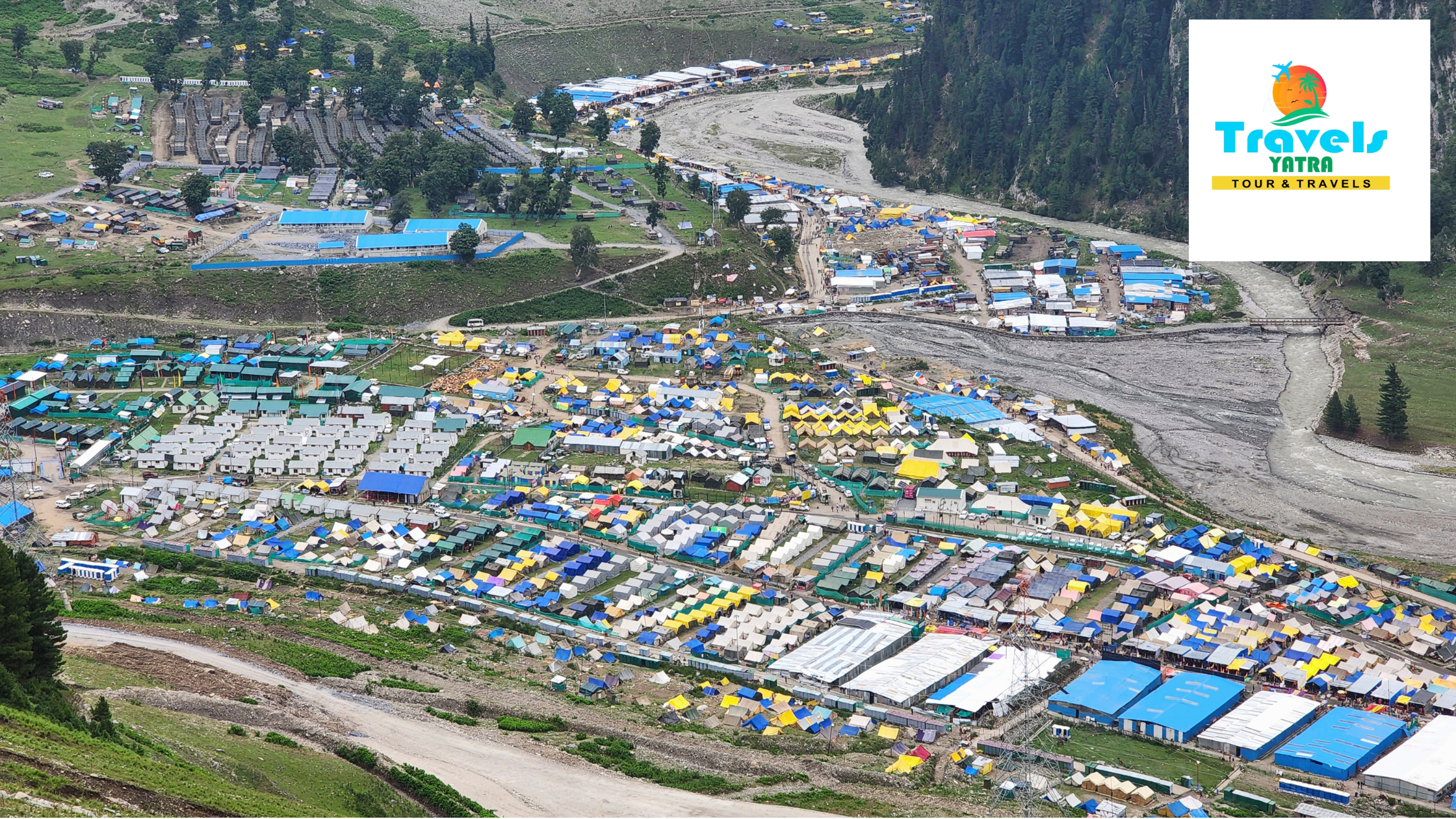
- Accommodation, which could range from basic tents at the base camp to hotels or guest houses in Srinagar and Pahalgam before and after the trek
- Pony, palki, or helicopter arrangements for the actual yatra route
- Meals and langar arrangements along the trekking route
- A guide or group coordinator familiar with the route
- Basic medical support points along the way, coordinated with the operator’s on ground team
Higher tier packages often add more comfortable accommodation, helicopter transfers for both legs of the yatra, and more personalized assistance, while budget packages rely more on shared tents, group treks, and standard transport.
Physical Preparation and Health Considerations
Even with a well organized tour package, the physical demand of the yatra falls on you. This is a high altitude trek, and altitude sickness is a real risk if your body is not given time to adjust.
A few practical points worth keeping in mind:
- Start basic cardiovascular preparation, like brisk walking or light jogging, at least four to six weeks before your yatra dates
- Build up walking stamina gradually, since the trek involves sustained walking over multiple hours
- Carry warm layered clothing, since temperatures at the shrine and along the route can drop sharply even in summer months
- Stay hydrated throughout the trek, and avoid overexertion on the first day at altitude
- If you have any pre-existing heart, lung, or joint conditions, get proper medical advice before registering, since this can affect your fitness certificate and your suitability for the trek
Please note that this is general planning guidance, not medical advice. Anyone with a health condition should consult their doctor before undertaking a high altitude pilgrimage like this.
Best Time to Book and What Affects the Cost
Amarnath tour packages from Delhi should ideally be booked as early as registration slots open, since both yatra permits and popular travel dates fill up quickly during peak season, typically mid July to early August.
Package costs generally depend on a few factors:
- Route chosen: Baltal packages are often slightly cheaper due to the shorter trek duration, while Pahalgam packages, with more overnight stays, can cost more
- Mode of transport from Delhi: Flight based packages to Srinagar cost more than train plus road packages via Jammu
- Accommodation tier: Basic tent stays are the most economical, while hotel inclusive packages naturally push the price up
- Helicopter add-ons: Choosing helicopter transfers for either leg of the yatra adds a significant cost but saves considerable time and physical strain
- Group size: Some operators offer better per person rates for group bookings
A Quick Comparison: Route and Package Options
| Factor | Pahalgam Route | Baltal Route | Helicopter Option |
|---|---|---|---|
| Distance | ~46-48 km | ~14 km | N/A (aerial) |
| Duration | 3-5 days | 1-2 days | Few hours |
| Difficulty | Moderate | Strenuous | Low physical strain |
| Best suited for | First timers, moderately fit pilgrims | Time constrained, fitter pilgrims | Elderly, families with children |
| Relative cost | Moderate | Slightly lower | Higher |
| Acclimatization time | More gradual | Limited | Minimal, needs prior planning |
This kind of comparison is exactly why speaking with an experienced operator before booking helps. They can match your fitness level, available time, and budget to the right combination of route and package tier, rather than you guessing based on generic information.
How to Choose a Reliable Tour Operator
With so many operators offering Amarnath packages, especially during peak booking months, it helps to have a simple checklist:
- Check whether the operator has verifiable experience organizing pilgrimages specifically, not just general tour packages
- Look for transparency in what is included and excluded in the price, especially around helicopter charges, meals, and accommodation tier
- Read genuine pilgrim reviews rather than relying only on the operator’s own testimonials
- Confirm that the operator assists with or clearly explains the registration and CHC process
- Ask about on ground support during the actual trek, including emergency medical coordination
Avoid operators who promise unrealistically low prices without clear inclusions, or who are vague about registration requirements. Given the physical and logistical demands of this yatra, working with a team that genuinely understands pilgrimage travel, not just standard tourism, makes a real difference to how smooth your trip feels.
If you are looking for a Delhi based operator that specializes in pilgrimage and yatra packages, including Amarnath, TravelsYatra puts together structured packages that handle transport, accommodation, and route logistics so you can focus on the pilgrimage itself.
A Sample 6-Day Itinerary from Delhi
While every operator structures their itinerary slightly differently, here is a general shape most Amarnath packages from Delhi follow:
Day 1: Departure from Delhi to Jammu or Srinagar by train, flight, or road Day 2: Arrival and local rest, acclimatization, sightseeing in Srinagar if the schedule allows Day 3: Transfer to base camp (Pahalgam or Baltal), registration formalities and RFID collection Day 4: Yatra day, trek or helicopter transfer to the holy cave shrine, darshan Day 5: Return trek or transfer to base camp, rest Day 6: Journey back to Srinagar or Jammu, and onward travel to Delhi
Longer Pahalgam route packages may extend this by a couple of days to accommodate the additional trekking distance.
Frequently Asked Questions
When should I start registration for the Amarnath Yatra?
Registration usually opens a few months before the yatra dates through the official SASB portal. Given how quickly slots fill up, it is best to register as soon as the dates and process are announced for the year.
Can senior citizens or young children do the Amarnath Yatra?
This depends on individual fitness and the medical certificate issued at the time of registration. Many senior citizens do complete the yatra, often opting for the helicopter route or the gentler Pahalgam path with pony assistance. Young children are generally advised against the trek due to altitude risks, though this varies by age and health.
Is helicopter booking separate from the tour package?
It depends on the operator. Some packages include helicopter transfers as part of the price, while others treat it as an optional add-on that you book separately, usually at an additional cost.
What happens if weather disrupts the yatra dates?
Weather related disruptions are common in the Himalayan region, and the Shrine Board occasionally suspends yatra movement temporarily for safety. A good tour operator will have contingency plans in place and will keep you updated in real time if this happens during your travel window.
Do I need travel insurance for the Amarnath Yatra?
While not always mandatory, travel insurance that covers high altitude trekking and medical emergencies is strongly recommended given the physically demanding nature of the pilgrimage.
Final Thoughts
Planning an Amarnath Yatra tour package from Delhi involves more moving parts than a typical vacation, but none of it is unmanageable once you understand the sequence: registration and health clearance first, route and package tier decisions next, followed by physical preparation and choosing a dependable operator to handle the logistics.
Approaching it methodically, rather than leaving decisions to the last minute, is what makes the difference between a stressful trip and a pilgrimage that lets you focus on what actually brought you there. With the right preparation and a trustworthy travel partner, the journey to the holy cave shrine becomes an experience of faith and endurance, exactly as it is meant to be.