Table of Contents
I have sent travelers to Nagaland for the Hornbill Festival for several seasons now, and the question I get most often is the same one every year. Which Tour Packages from Delhi actually covers the permit, the homestay booking and the festival logistics without leaving gaps. Kohima during the first two weeks of December is unlike any other trip we plan out of Delhi. Rooms disappear fast, roads get busy, and the festival itself runs on a schedule that rewards travelers who show up prepared. This guide walks through the packages worth booking, what each one includes, and the details that matter before you commit.
Why the Hornbill Festival Is Worth Planning Around
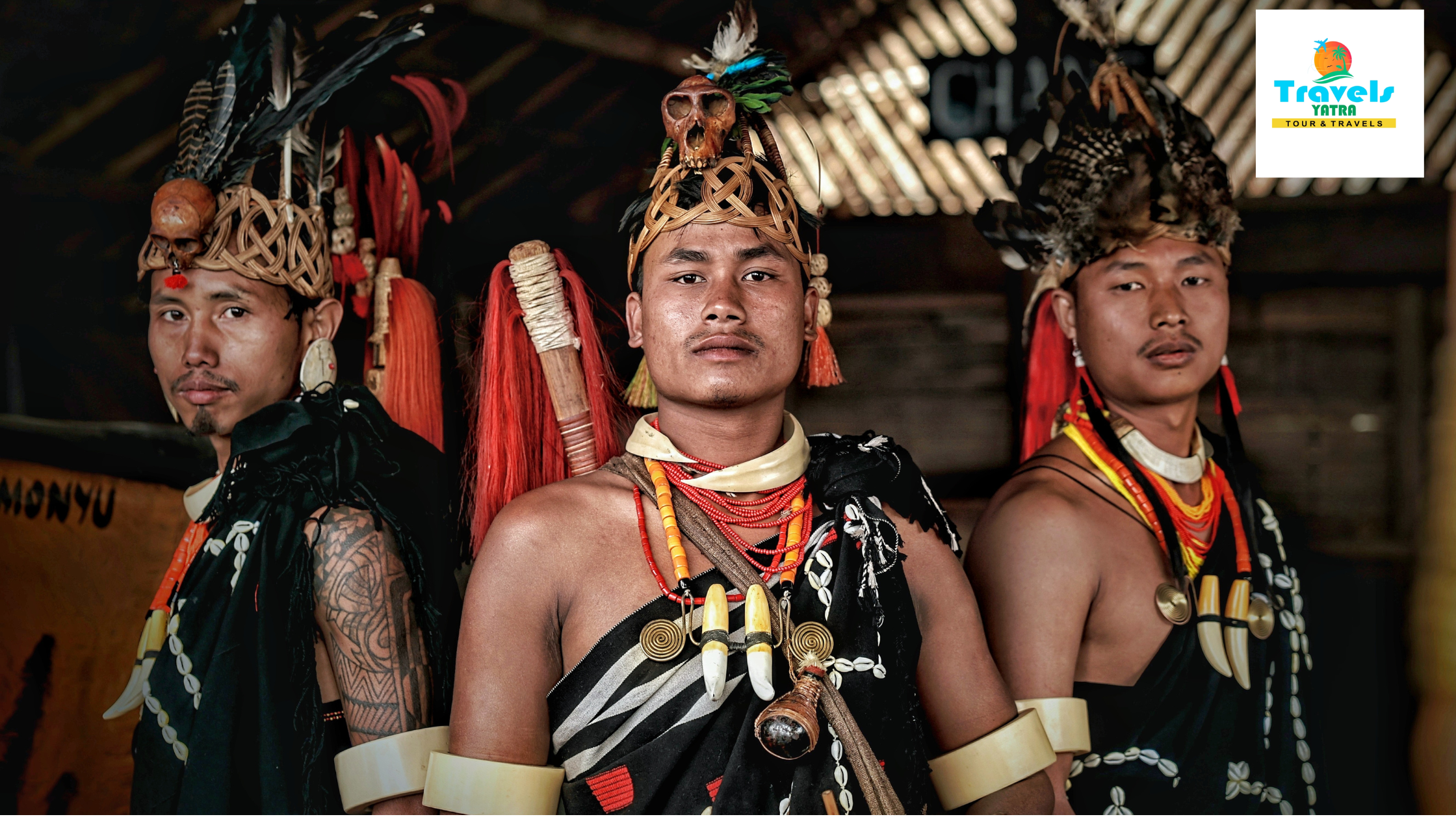
The Hornbill Festival takes its name from the hornbill bird, which holds a central place in Naga folklore and headgear. Held every year at Kisama Heritage Village, about 12 kilometers from Kohima, it brings together more than sixteen Naga tribes under one roof. Each tribe sets up its own traditional morung, a communal hut, where visitors can see authentic dress, hear folk songs, and taste tribal food that rarely travels outside Nagaland.
Beyond the cultural displays, the festival includes Naga wrestling, archery, indigenous games, a rock and music concert lineup that draws bands from across the Northeast, and the well known Naga chilli eating competition. For most first-time visitors, two full days at the festival grounds is enough to see the highlights, which is why the packages below are built around a two to three night stay in Kohima at minimum.
Understanding the Inner Line Permit
Nagaland requires an Inner Line Permit, or ILP, for Indian citizens from outside the state. This is a separate requirement from any ID proof and cannot be skipped. Permits can be applied for online through the Nagaland government portal or collected on arrival at Dimapur airport, though queues at the airport counter grow long during the festival. Every package listed here includes ILP assistance, which means the paperwork is handled before you land, and this single detail is often the difference between a smooth arrival and a lost afternoon standing in line.
Best Time to Visit for the Festival
The Hornbill Festival runs from December 1 to December 10 every year. Weekends within that window, along with the opening and closing days, see the largest crowds. Travelers who prefer a quieter experience while still catching the main events often choose the middle weekdays, from December 4 to December 7. Kohima’s weather in early December is cool and dry, with daytime temperatures around 15 to 20 degrees Celsius and evenings dropping closer to 8 to 10 degrees, so a light jacket and layers are worth packing regardless of which package you choose.
December also happens to be the driest month in Nagaland, which works in your favor. The monsoon wraps up well before the festival begins, so road conditions between Dimapur and Kohima are generally good, and the hill sections rarely see the landslides that can disrupt travel earlier in the year. If your dates are flexible, arriving a day before the festival opens gives you time to settle in, adjust to the altitude around Kohima, and avoid the arrival rush that builds up on December 1 itself.
What to Pack for a Hornbill Festival Trip
Kohima sits at an elevation of roughly 1,400 meters, which means the temperature swing between afternoon and night is sharper than most Delhi travelers expect. A few essentials make the trip noticeably more comfortable.
- Layered clothing: a base layer, a fleece or sweater, and a windproof or light down jacket for evenings at the festival grounds
- Comfortable walking shoes, since Kisama Heritage Village involves a fair amount of walking on uneven ground
- A power bank, since charging points at the festival venue are limited and phone use for photos runs batteries down quickly
- A printed or downloaded copy of your Inner Line Permit, in case network connectivity is patchy when officials ask to see it
- Cash in smaller denominations, since many stalls inside Kisama deal in cash rather than digital payments
- A reusable water bottle and a basic first aid kit with altitude and motion sickness tablets for the Dimapur to Kohima drive
Best Nagaland Tour Packages from Delhi
The five packages below cover the range most travelers ask about, from a quick festival-only trip to a longer combination itinerary. Prices are per person on twin sharing and can shift slightly depending on hotel category and flight fares closer to the festival dates.
| Package | Duration | Price (Per Person) | Best For |
| Kohima Hornbill Express | 3N/4D | Rs 18,500 | First-time, budget-focused travelers |
| Kohima + Dzukou Valley | 5N/6D | Rs 27,500 | Culture and light trekking combo |
| Kohima + Khonoma + Dimapur | 6N/7D | Rs 34,500 | Deeper cultural immersion, eco-tourism |
| Nagaland + Kaziranga Combo | 7N/8D | Rs 42,000 | Wildlife lovers extending the trip |
| Luxury Hornbill Package | 5N/6D | Rs 58,000 | Curated homestays, private transport |
Indicative per-person pricing across the main Hornbill Festival package options.
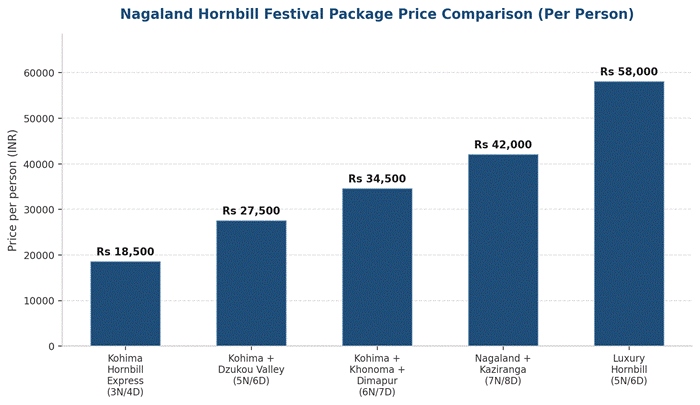
Price comparison across the five Hornbill Festival packages, per person.
Kohima Hornbill Express (3N/4D)
This is the leanest option, built for travelers who want the festival experience without extending the trip. It covers two full festival days at Kisama, a Kohima city tour that includes the War Cemetery, and return transfers from Dimapur. It works well for a long weekend away from Delhi and suits solo travelers or couples on a tighter budget.
The pace is deliberately tight. You land in Dimapur, transfer straight to Kohima, and spend both full days immersed in the festival rather than splitting time between sightseeing and the event. If your main goal is simply to experience Hornbill itself without adding extra days off work, this is the package that gets you there and back with the least amount of travel time wasted.
Kohima + Dzukou Valley (5N/6D)
This package adds a short trek to the edge of Dzukou Valley, known locally for its rolling green hills and, in season, its wild flowers. It is a good fit for travelers who want the festival plus a taste of Nagaland’s outdoors without committing to a multi-day trek. Basic fitness is enough for the included trail.
December is outside Dzukou’s famous flowering season, which peaks between May and September, but the valley’s grassy ridgelines and cool, misty air are worth the walk on their own. The included trek covers the approach trail and viewpoint rather than a full valley crossing, which keeps it manageable for travelers who are not regular trekkers.
Kohima + Khonoma + Dimapur (6N/7D)
Khonoma is often called India’s first green village, known for community-led conservation and terraced farming. This package spends a day there, walking through the village and its surrounding forest, which gives a slower and more local view of Angami Naga life outside the festival grounds. It suits travelers who care about sustainable and community-based tourism.
Khonoma’s story is part of what makes it worth the detour. The village banned commercial hunting decades ago and turned part of its forest into a community-protected reserve, which today supports the endangered Blyth’s tragopan, a pheasant species found only in this part of the Northeast. Walking through the terraced fields with a local guide gives context to the festival displays you will have already seen in Kohima.
Nagaland + Kaziranga Combo (7N/8D)
This is the package to pick if the trip is once a year and you want to make the most of it. After the festival, it continues into Assam for a two-day visit to Kaziranga National Park, home to the one-horned rhinoceros. The combination works because Dimapur connects easily by road to Assam, so the extension does not add a second flight.
The road transfer from Dimapur to Kaziranga takes roughly four to five hours, which is comfortably done in a single day. Once there, the package includes a jeep safari through the park’s core zones, giving you a wildlife counterpoint to the cultural focus of the festival days in Kohima.
Luxury Hornbill Package (5N/6D)
Built around curated homestays and boutique properties in and around Kohima, this package adds private vehicles throughout, a smaller group size, and priority seating arrangements at select festival events where available. It is the right choice for travelers who want the same festival access with a more comfortable stay and less coordination on their end.
The difference shows up mostly in the details. Rooms are held at properties with better heating and hot water reliability, which matters more than it sounds like in December. Vehicles are not shared with other groups, and a dedicated local coordinator stays reachable through the trip in case plans need to shift.
Nagaland Beyond the Festival Grounds
Most travelers plan their Kohima trip entirely around Kisama, and that is reasonable given how much is packed into those two festival days. But a few sites just outside the festival village add real value if your itinerary has a spare half day.
- Kohima War Cemetery: a quiet, immaculately kept memorial to soldiers who fell in the Battle of Kohima during the Second World War
- Naga Heritage Village at Kisama: outside festival dates, the traditional morungs and totem structures remain open and offer a calmer view of tribal architecture
- Kohima local market: a good place to see everyday Naga produce, from bamboo shoots to king chilli, alongside handwoven shawls and shoulder bags
- Japfu Peak: the second highest peak in Nagaland, reachable on a long day trip for travelers who want a proper trek beyond the festival schedule
Sample Itinerary: Kohima + Dzukou Valley (5N/6D)
Here is how the flagship five night package typically plays out day by day.
| Day | Plan |
| Day 1 | Fly Delhi to Dimapur, drive to Kohima (about 3 hours), evening at leisure |
| Day 2 | Full day at Hornbill Festival, Kisama Heritage Village, tribal morungs and dance performances |
| Day 3 | Second day at the festival, Naga wrestling and indigenous games, evening cultural concert |
| Day 4 | Day trip to Dzukou Valley trailhead for a short trek, or visit Kohima War Cemetery and local markets |
| Day 5 | Excursion to Khonoma Green Village, traditional Angami architecture, terrace farms |
| Day 6 | Transfer to Dimapur, fly back to Delhi |
What Is Included and What Is Not
Every TravelsYatra Nagaland package is built around the same core inclusions, with the main variable being hotel category and vehicle type. Here is the standard breakdown.
| Included | Not Included |
| Hotel or homestay accommodation | Flights to and from Delhi |
| Daily breakfast and dinner | Lunch on sightseeing days |
| Airport and hotel transfers | Personal expenses and shopping |
| Inner Line Permit assistance | Travel insurance |
| Local sightseeing by private vehicle | Camera or drone fees at some sites |
| English or Hindi-speaking local guide | Tips for drivers and guides |
Pros and Cons of Visiting Nagaland During Hornbill Festival
The festival period is the most popular time to visit Nagaland, and for good reason, but it is worth weighing the trade-offs before you lock in your dates.
| Pros of Visiting During Hornbill Festival | Cons of Visiting During Hornbill Festival |
| All 16-plus Naga tribes perform together at one venue | Kohima hotels and homestays fill up months in advance |
| Peak season means better road access and pleasant weather | Prices for stays and transport rise during the festival window |
| Wide range of tribal food, crafts and music in one trip | Kisama grounds get crowded on weekends and marquee event days |
| Easiest time of year to witness multiple tribal traditions at once | Less one-on-one time with hosts compared to a quiet-season visit |
| Direct flights and better connectivity are added for the season | Advance ILP and hotel booking becomes essential, not optional |
How to Reach Nagaland from Delhi
- By air: Direct and one-stop flights connect Delhi to Dimapur, the nearest airport to Kohima, in about 3 to 4 hours.
- From Dimapur to Kohima: A road transfer of roughly 74 kilometers, taking about 3 hours depending on traffic and weather.
- By rail: Dimapur is the nearest major railhead, with connections to Delhi via Guwahati, though this route takes considerably longer than flying.
Flying remains the practical choice for a festival trip, simply because the calendar is fixed and a long rail journey eats into the two or three days you have set aside for Kisama itself. Booking flights six to eight weeks ahead of the festival generally secures better fares, since December is peak season for the whole Northeast circuit and prices climb closer to the dates.
A Note on Naga Food and Local Etiquette
Naga cuisine at the festival stalls leans heavily on smoked pork, bamboo shoot, axone (fermented soybean), and the region’s famous king chilli, among the hottest in the world. If you are not used to strong, smoky, fermented flavors, start with small portions before committing to a full plate. Vegetarian travelers will find rice, vegetable preparations, and bamboo-based dishes at most stalls, though the range is narrower than in a typical Indian city.
Photography at the morungs is generally welcome, but it is good practice to ask before photographing individuals up close, particularly elders in traditional dress. Most performers are used to cameras during the festival, but a quick nod or gesture of permission goes a long way and is appreciated.
Booking Timeline: What to Do and When
- 8 to 10 weeks before travel: shortlist your package and confirm dates, since Kohima accommodation is the first thing to sell out
- 6 to 8 weeks before travel: book flights to Dimapur, when fares are typically more reasonable than a last-minute booking
- 4 weeks before travel: apply for your Inner Line Permit online if you prefer not to queue on arrival
- 1 to 2 weeks before travel: reconfirm your itinerary, pack according to the weather forecast, and keep a printed copy of your permit and hotel vouchers
Why Book a Package Instead of Planning It Yourself
Kohima’s accommodation supply is limited, and most homestays and mid-range hotels are booked out well before December each year. A package locks in your stay, your permit paperwork and your local transport in one booking, which matters more here than in most other Indian destinations. TravelsYatra (https://travelsyatra.com/) puts these Nagaland itineraries together with verified homestays and a local guide network built over multiple festival seasons, so the planning risk sits with us rather than with you.
Frequently Asked Questions
When does the Hornbill Festival take place?
The festival is held every year from December 1 to December 10 at Kisama Heritage Village, near Kohima.
Do I need a permit to visit Nagaland?
Yes. Indian citizens from outside Nagaland need an Inner Line Permit, which can be arranged online in advance or on arrival at Dimapur airport.
Which package suits a solo traveler?
The Kohima Hornbill Express (3N/4D) is the most practical option for a solo trip, since it keeps the itinerary tight and the cost lower.
What is the weather like in Kohima in December?
Expect cool, dry days around 15 to 20 degrees Celsius and colder evenings near 8 to 10 degrees. Carry a jacket and warm layers.
Is vegetarian food easily available?
Yes, hotels and most restaurants in Kohima offer vegetarian options, though the festival stalls at Kisama lean toward Naga tribal cuisine, which is largely non-vegetarian.
Does mobile network work well in Nagaland?
Postpaid connections from major Indian telecom providers generally work in Kohima and Dimapur, though signal can weaken in valleys like Dzukou. Prepaid SIMs from outside the Northeast often face restrictions, so a local SIM or postpaid roaming plan is the safer choice.
Which package is best for families?
The Kohima + Khonoma + Dimapur (6N/7D) package offers a good balance of festival time and slower-paced cultural visits that work well for mixed age groups.
How far in advance should I book?
Given how quickly Kohima accommodation fills up, booking by September or early October for a December trip is strongly recommended.
Final Thoughts
Nagaland rewards travelers who plan ahead, and the Hornbill Festival is the clearest example of that. The event itself is only ten days long, the accommodation in Kohima is limited, and the cultural experience on offer, sixteen tribes performing side by side, is not something you will find replicated anywhere else in India. Whichever package you choose from the list above, the details that matter most are the same: lock in your permit early, book your stay well ahead of the crowd, and give yourself at least two full days at Kisama to see the festival properly.
If you are still deciding between packages, start with how much time you can take off and how deep into Nagaland’s culture you want to go. A short Kohima Hornbill Express covers the essentials, while the Khonoma or Kaziranga extensions turn the same trip into a fuller Northeast experience.